

April 29, 2026
Grow Your Own Salsa!
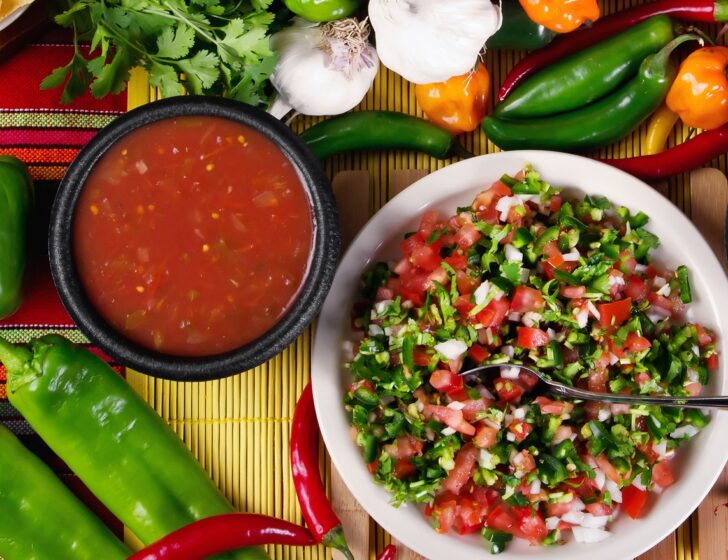
Salsa counts as a vegetable. In fact, the typical salsa recipe has a bunch of vegetables listed, which makes salsa a super veggie! And nearly every ingredient in the typical salsa recipe can be grown in the gardens, from the onion-tomato base to hot peppers and cilantro. So go ahead and up your veggie intake by growing your own salsa!
The Basics
Most salsa recipes have the same foundation: Tomato, Onion, (Hot) Peppers, Garlic and, for those who like the taste, Cilantro. There’s also lime juice and salt to taste – you can grow your own citrus but it’s tough in our northern climate and changing seasons, and the grocery store has numerous salt types to choose from so experiment and find your favourite!
Onions & Garlic
Starting with the longest growing time, onions and garlic can be planted in spring to be harvested in the fall. They’ll both need full sun (more energy means bigger bulbs!) and rich, loose soil with very good drainage. Getting extra nitrogen into those bulbs is also beneficial; adding a layer of compost to the bottom of the hole is a great way to amend the soil.
Small onion bulbs called “sets” are available in early spring; plant them outside in gardens or containers once the threat of frost and cold temperatures has passed, around the May long weekend. Plant them no more than 2 inches below soil level and space about 6 to 12 inches apart, depending on the size of bulb you’re hoping for. Water regularly, especially during the summer heat, and fertilize every few weeks – stop fertilizing once you see the bulb push out of the soil!
Garlic bulbs are available in both spring and fall and, like their onion friends, love a good nitrogen boost and would appreciate a good sprinkling blood meal and/or pelleted chicken manure every few weeks. Separate your bulbs into the individual cloves on planting day and plant them 2 inches deep and 8 inches apart. Water deeply and then allow soil to dry – garlic doesn’t like to stay wet. Cut off flower “scapes” to keep energy going towards the bulb, but don’t throw them away! They’re like the garlic version of a green onion and are perfect for adding a delicate flavour to spring dishes and pesto.
Fun fact: you can get a head start by planting garlic bulbs in the fall and harvesting the following spring!
Tomatoes
The fan favourite tomato for salsa making is Roma but just about any variety can do the job! Make sure to plant in a full sun location with rich, well-drained soil – tomatoes do very well in both garden beds and large containers. Dig your hole deeper than your seedling’s pot size, as tomatoes can be planted halfway up their stalks to help them stay thick and sturdy. Add your tomato cage at planting time and gently arrange their branches as they grow. Keep them watered regularly and deeply, especially in the summer heat, and fertilize every 2 weeks to increase nutrients.
How to Sucker a Tomato: Indeterminate tomatoes (vining varieties) will often have extra shoots or “suckers” growing from where the branch meets the main stalk. Cutting off these suckers will help with air flow, energy absorption, and overall plant health.
Peppers
Whether you like 5-alarm blazing heat or just a mild tingle on the tongue, peppers are a great addition to salsa recipes. Jalapeno is a classic option for a mild to medium spice level, or turn up the heat with cayenne, habanero, or ghost pepper! Peppers need full sun and rich soil with very good drainage. Keep their soil level consistent at planting; you can add a bamboo stake and plant clips for extra support. Peppers are heat loving plants and can handle nearly drying out between deep waterings; increase your watering frequency once the fruit start to appear.
Cilantro
Some people love it, while others just taste soap! Cilantro adds fresh greenery to all those tomatoes and peppers, but it can be a “love it or leave it” option (tip: switch it out for parsley!) Like the other salsa ingredients, place your herb in full sun in rich, well-drained soil. Water regularly and feed with an all-purpose fertilizer every 2 weeks. Snip a few stems as needed to encourage new growth and keep your cilantro full and bushy.
Limes (and Lemons)
There’s nothing like a squeeze of citric acid to really finish off a great salsa! Limes (and lemons, depending on your preference) can be grown as a tropical houseplant crop in our northern climate. Place their pots in as much direct sunlight as possible year-round and allow to dry slightly between deep waterings. Feed an all-purpose (or flowering, if in bloom) fertilizer every 2 weeks; switch to a higher nitrogen fertilizer if their leaves are turning yellow. Citrus can be placed outside once the temperatures consistently stay above 10°C, usually around mid- to late June. Gently ease them into being outdoors to reduce stress – check out our blog on bringing tropicals outside for full details!
Post Views: 493